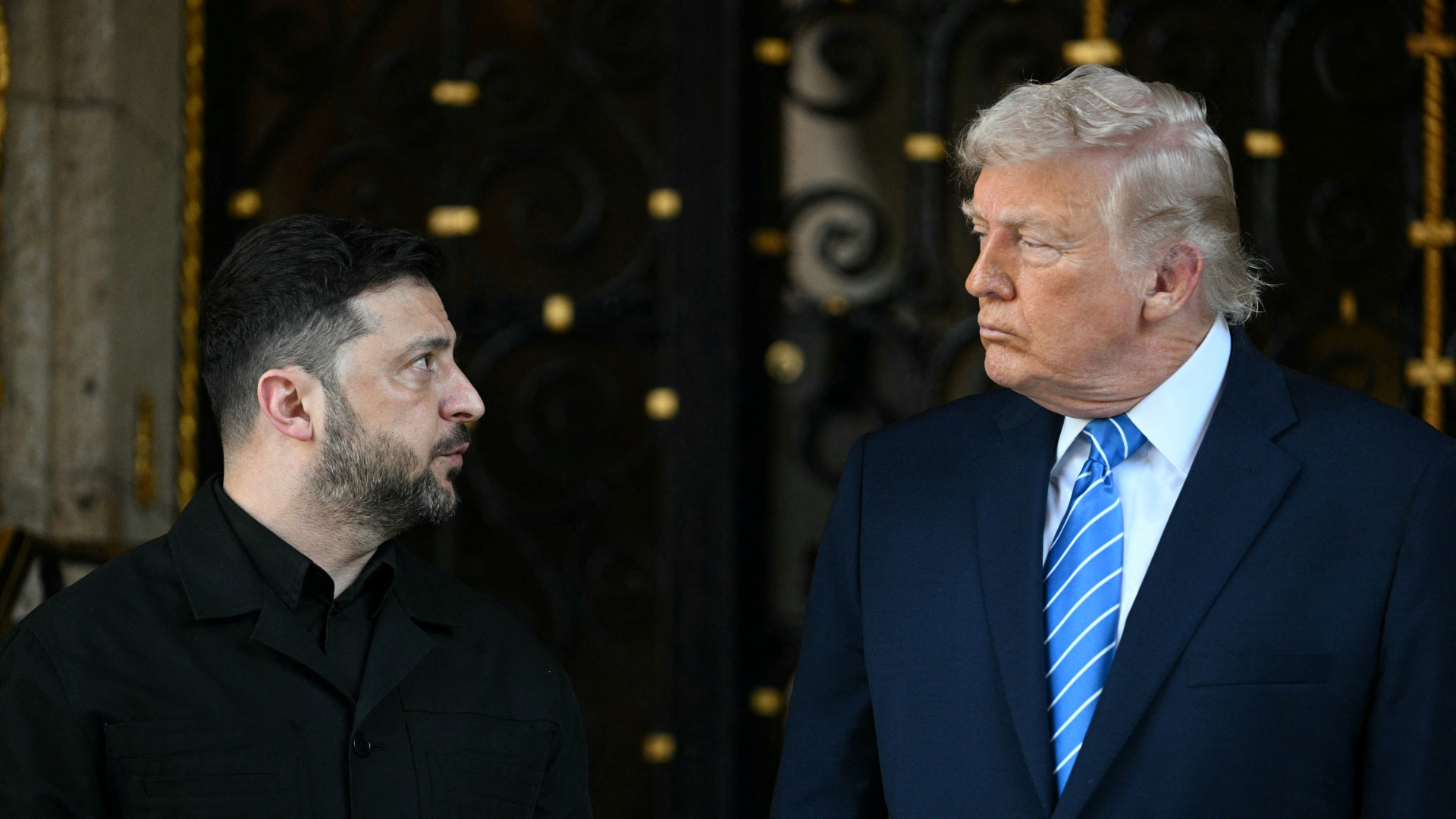
Ukrainian President Volodymyr Zelenskyy recently called on the United States to implement the Lindsey Graham Sanctions Act, pointing to Russia’s manipulation of international politics and its ongoing military actions against Ukraine. This appeal sent an important signal to the international community, which is monitoring the escalation of the conflict and seeking effective tools to exert pressure on Moscow. Zelenskyy emphasized that Russia is using diplomatic signals to buy time while continuing its aggression on the battlefield.
As Ukraine continues to suffer the consequences of Russian attacks, the importance of international sanctions as a means of countering the aggression has taken on new relevance. Now, as Ukraine is seeing new consequences of drone attacks in Kyiv and other regions, the question of the effectiveness of sanctions becomes even more pressing. The sanctions that have already been imposed were intended to weaken Russia’s economic base; however, as practice shows, their implementation requires constant updating and adaptation to new challenges.
The Situation on the Front Lines: Sanctions as a Tool for Combat
The war in Ukraine has been ongoing for over two years, and during this time, the military situation has been constantly changing. Russian troops continue to carry out attacks on key infrastructure targets, causing serious harm not only to military personnel but also to the civilian population. According to the UN, the number of civilian casualties is rising, which demonstrates the direct impact of the war on people’s lives.
In response to these actions, the international community has imposed several rounds of sanctions against Russia, aimed at limiting its economic capabilities. However, despite these efforts, Russia continues to wage war, calling into question the effectiveness of the existing measures. Many analysts point to the need to strengthen sanctions, especially given that Russia is demonstrating a willingness to escalate the conflict.
One of the key factors influencing the military situation is Russia’s constant maneuvering on the diplomatic front. Moscow skillfully uses information campaigns and diplomatic signals to delay tough action from the West. As a result, sanctions are not always implemented on time or in full, which, in turn, undermines confidence in international measures.
Amid ongoing attacks on Ukrainian cities, such as the recent drone strikes on Kyiv, it is becoming clear that Ukraine needs not only new sanctions but also their strict enforcement. President Zelenskyy emphasizes the importance of a swift response from Western partners, calling for the activation of sanctions legislation that could significantly alter the course of events.
📌 Read also:
The Graham Act: What Is It and Why Is It Important?
The Lindsey Graham Act, passed by the U.S. Congress, provides for the imposition of new sanctions against Russia, particularly regarding energy resources. This law is an important tool for increasing pressure on the Kremlin, as it could cause significant economic losses for Russia, which relies on energy exports.
According to expert estimates, the implementation of this law could significantly impact Russia’s financial capabilities, particularly through increased tariffs on Russian energy resources purchased by other countries. This, in turn, could lead to a decline in Russia’s revenues, which would directly affect its ability to finance military operations.
However, for this law to be effective, it is not only its adoption that matters, but also its prompt implementation. President Zelenskyy has called on international partners, particularly the United States, to actively implement this legislation to send a clear signal to Moscow that its actions are unacceptable. According to him, “it is essential that our other partners in the G7 and G20 also stand firm” to strengthen the unity of the international community in the fight against the aggressor.
In the context of ongoing attacks on Ukrainian targets—such as the recent drone strikes on Kyiv—the effectiveness of sanctions becomes even more evident. As Russia continues to demonstrate aggression, it is important not only to respond to its actions but also to take preventive measures that can halt further escalation of the conflict.
Thus, the Graham Act could become an important step in Ukraine’s strategic plan if it is implemented in a timely and comprehensive manner. The creation of new sanctions packages—which, according to Zelenskyy, are already planned for October—also demonstrates the international community’s unwavering determination to support Ukraine during this difficult time.
Diplomatic Pressure: How Is the International Community Responding?
President Zelenskyy’s appeal to the U.S. to implement the Lindsey Graham Act has sparked a strong reaction among Ukraine’s international partners. The countries of the Group of Seven (G7) and the Group of Twenty (G20) have expressed their readiness to support new sanctions initiatives, though specific actions remain under discussion for now. An important point is that some countries, such as Germany and France, have already indicated the possibility of tightening sanctions, though their implementation depends on domestic political processes.
Eastern European countries, particularly Poland and Lithuania, are actively lobbying to increase pressure on Russia, pointing to numerous acts of aggression taking place in Ukraine. For its part, the U.S., while supporting Ukraine, is trying to coordinate its actions with other Western nations to ensure a unified response to Russia’s actions. However, as experience shows, reaching a consensus among all partners can take a significant amount of time.
It is also interesting to note that some countries that traditionally have economic ties with Russia are expressing caution regarding new sanctions. For example, India and China, which are major players on the global stage, continue to maintain trade relations with Moscow, making it difficult to form a united front against aggression. Such maneuvers could hinder the imposition of effective sanctions that would truly impact Russia’s economy.
Against this backdrop, a key question is whether the international community will be able to find mechanisms that would not only allow for the imposition of new sanctions but also ensure their prompt implementation. Experience from previous years shows that delays in implementing sanctions often allow Russia to adapt to new conditions. This requires international partners to demonstrate not only resolve but also to set clear deadlines for the implementation of sanctions.
🔎 Latest:
Ukraine’s Strategy: New Challenges and Opportunities
In response to the new challenges facing Ukraine in the context of international sanctions, the country is reviewing its strategies not only at the military level but also at the diplomatic level. One of the key tasks is to intensify dialogue with international partners to secure greater support amid growing aggression from Russia. President Zelenskyy emphasized the importance of forming new coalitions that could join forces to counter Russian aggression.
In addition, Ukraine is considering changing its foreign policy approaches, in particular by more actively engaging countries that have not previously been proactive in supporting Ukraine. This may include not only Western nations but also countries that have economic ties with Moscow yet are simultaneously interested in regional stability.
Despite the challenges, Ukraine also has opportunities to strengthen its position. A key element is strengthening military cooperation with Western partners, which may include not only arms supplies but also military training. At the same time, economic support from Western countries can help Ukraine adapt to the new economic realities resulting from sanctions.
A shift in diplomatic approaches also involves making more active use of public information campaigns to raise the international community’s awareness of the real consequences of Russian aggression. In this context, it is important not only to report on military operations but also to emphasize the humanitarian consequences the war has for the civilian population. Open letters, international conferences, and other events can serve as important tools in this struggle.
Finally, Ukraine must continue to work on strengthening its own economy to become less dependent on external factors. This includes developing domestic production, reducing dependence on imports, and boosting investment in strategic sectors of the economy. In the long term, this could become a key factor in countering external threats.
Thus, Ukraine’s new strategy in the face of international sanctions must be comprehensive, taking into account both military and diplomatic aspects. Only in this way will the country be able to effectively respond to the challenges it faces amid growing aggression.
At a time when the international community is witnessing unprecedented threats from Russia, President Zelenskyy’s call to strengthen sanctions legislation could be a pivotal moment in determining the course of the war. The implementation of the Lindsey Graham Act and support from international partners could significantly strengthen Ukraine’s position on both the diplomatic and military fronts.
Thus, the effectiveness of international sanctions and Ukraine’s revised strategy could lay the groundwork for achieving peace and stability in the region. This is not only a matter of survival for Ukraine, but also a test for the international community, which must demonstrate its resolve in combating aggression and supporting the sovereignty of states.