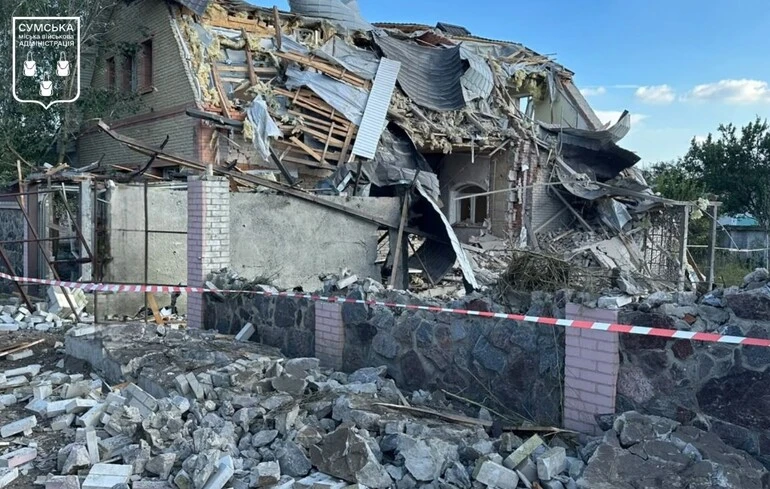
On October 1, 2026, a Russian drone attacked a school building in the Solomyanskyi District of Kyiv. At the time of the attack, the children were in a shelter, which was a stroke of luck in this horrific situation. However, the incident caused a fire in the building, sparking a wave of anxiety among parents and local residents. This attack is part of a larger pattern in which civilian targets, particularly educational institutions, are being targeted in the ongoing war in Ukraine.
Such acts of aggression not only violate international norms but also cause significant harm to the mental and physical health of children who have already been traumatized by the war. According to information provided by the Ukrainian military, Russian forces carried out numerous strikes on various targets across the country that day, confirming a pattern of deliberate attacks on civilian infrastructure.
Attacks on schools, hospitals, and other civilian facilities are causing deep concern not only in Ukraine but also beyond its borders. They undermine the foundations of society, disrupt the normal course of life, and create an atmosphere of fear. Such actions provoke an international response; however, as experience shows, they often go unpunished.
Attack on a School: Facts and Circumstances of the Incident
The attack on a school in the Solomyanskyi district was one of many similar incidents that have occurred during the war. Fortunately, there were no child casualties as a result of the attack, since the children were in a shelter. However, the fire in the school building caused panic among adults and forced local authorities to respond urgently to the situation.
According to the State Emergency Service, the fire was contained, but the consequences of the attack remain serious. Kyiv authorities have already launched an investigation to determine how the attack on such critical infrastructure was carried out. This incident underscores that the war in Ukraine is not only continuing on the front lines but is also actively spreading to cities, endangering the lives of civilians.
It is worth noting that attacks on schools are part of the strategies aggressors use to intimidate the population. They not only seek to break the spirit of resistance but also undermine trust in the state institutions responsible for security. Such tactics are intended to demoralize society and make people feel helpless and trapped.
📌 Read also:
Targeted aggression: why schools are being targeted
The reasons why Russian forces are targeting educational institutions are multifaceted. First, educational facilities are often located in densely populated areas, making them easy targets. Second, attacks on schools may be an attempt to destabilize society by preventing children from receiving an education and creating an atmosphere of fear and uncertainty.
Security experts believe these actions are part of a large-scale campaign aimed at destroying Ukrainian identity. By destroying educational institutions, the aggressor is attempting to hinder the development of future generations, which could negatively impact Ukraine’s prospects as a whole. Education is the foundation for building a sustainable society, and its destruction could have catastrophic consequences.
Furthermore, international human rights organizations emphasize that such actions constitute a violation of international humanitarian law. Attacks on civilian targets, particularly schools, are prohibited under the Geneva Conventions. However, despite numerous accounts of these crimes, the international community often finds itself powerless to respond.
These circumstances call into question the effectiveness of international mechanisms for protecting civilians during conflicts. Despite numerous calls for action, many countries remain cautious in their responses, driven by both political and economic considerations.
Thus, the attack on the school in Kyiv is not only a tragic event but also part of a larger pattern of aggression aimed at demonstrating power and intimidating the population. This incident once again underscores the need for an urgent response from the international community to Russia’s aggression against Ukraine and to protect the civilian population.
Impact on Children and the Educational Process in Ukraine
In wartime, children become one of the most vulnerable groups in the population. The psychological consequences of attacks on civilian targets, such as schools, can be catastrophic. According to Ukrainian psychologists, more than 60% of children who have experienced military conflict suffer from symptoms of anxiety, depression, and post-traumatic stress disorder. These conditions hinder the learning and socialization processes, which are critical to a child’s personal development.
According to UNICEF research, more than 2.5 million children in Ukraine are in need of psychosocial support. At the same time, the education system faces serious challenges: many schools have been damaged or destroyed, leading to significant disruptions in the educational process. This not only undermines the quality of education but also creates an atmosphere of fear and uncertainty among students and teachers.
The situation is compounded by a lack of resources and funding for school reconstruction. It is estimated that Ukraine needs approximately $2 billion to rebuild its educational infrastructure, which jeopardizes children’s access to a quality education. Amid constant security threats, teachers also need training to learn how to address the effects of psychological and emotional stress in children.
Research shows that effective support for children during wartime can include not only psychotherapy but also the integration of games and creative activities into the learning process. However, implementing such programs requires financial and organizational resources that are currently lacking. Many children who have survived an attack may require long-term treatment and support to return to normal life.
International Response to the Aggression: Human Rights Defenders and Organizations
The international community is responding to the aggression against civilian targets in Ukraine from various perspectives. Human rights organizations, such as Human Rights Watch and Amnesty International, are exposing violations of international law by documenting attacks on schools and hospitals. They are calling for an urgent response from international bodies, including the UN and the EU, to hold those responsible for these crimes accountable.
In particular, in 2026, the UN General Assembly adopted a resolution condemning attacks on civilian targets in Ukraine and calling on member states to step up humanitarian efforts. However, despite this, many countries remain cautious in their responses due to political and economic considerations. Different states have varying approaches to responding to the situation in Ukraine, which complicates the formation of a united front against the aggression.
Non-governmental organizations, which are actively collecting data on human rights violations, play an important role in the international response to the aggression. They not only document the facts but also provide legal support to victims of the attacks. For example, the organization “Vostok-SOS” has developed a support program for children who have survived military attacks, providing them with psychological assistance and educational resources.
However, a lack of political will on the part of international leaders often leads to delays in the response process. Many experts believe that sanctions against Russia are insufficient to stop the aggression and are calling for more decisive action, including the provision of military aid to Ukraine. At the same time, human rights advocates emphasize that urgent assistance to civilians affected by the war must be a priority for the international community.
🔎 Latest:
Security Outlook: How to Protect Civilians During War
Ensuring the safety of the civilian population during wartime is a complex but vital task. Countries that have experienced similar conflicts have developed various strategies to protect their citizens. One example is the creation of shelter systems in schools and other public buildings, which allows children and adults to respond quickly to threats.
At the same time, it is important to integrate humanitarian initiatives into security strategies. This may include creating programs to educate the public on how to respond to threats, as well as ensuring access to medical care and psychological support. Research shows that countries that invest in preparing their populations for emergencies are able to reduce the negative consequences of attacks on civilian targets.
International cooperation in the field of security is also crucial. Forming alliances among countries that support Ukraine can enhance the effectiveness of responses to threats. For example, joint exercises and data sharing among states can help improve systems for protecting the civilian population.
Furthermore, it is necessary to ensure that international mechanisms for the protection of civilians are effective. This may include strengthening the UN’s role in monitoring the situation in Ukraine and holding those who violate international law accountable. Only through efforts at the international level is it possible to ensure real protection for civilians and enhance their safety during wartime.
In conclusion, the situation in Ukraine requires urgent and measured action on the part of the international community. Attacks on civilian targets, such as schools, undermine the foundations of society and threaten future generations. Immediate measures to protect children and other vulnerable groups must be a priority for all who seek peace and stability in the region.