Following the escalation of the situation in Ceuta, social media was flooded with a wave of far-right narratives. Some of these were actively spread by accounts linked to Russia.
According to RBC-Ukraine, citing The Guardian, an analysis by the disinformation countermeasures group “411” found that accounts linked to the Russian military and far-right movements reached over 500,000 people in the first days of the crisis.
Researchers note that Russian accounts regularly spread destabilizing narratives in Europe, particularly regarding migration. However, the scale and speed of the campaign surrounding Ceuta drew particular attention from experts.
How Events Unfolded in Ceuta
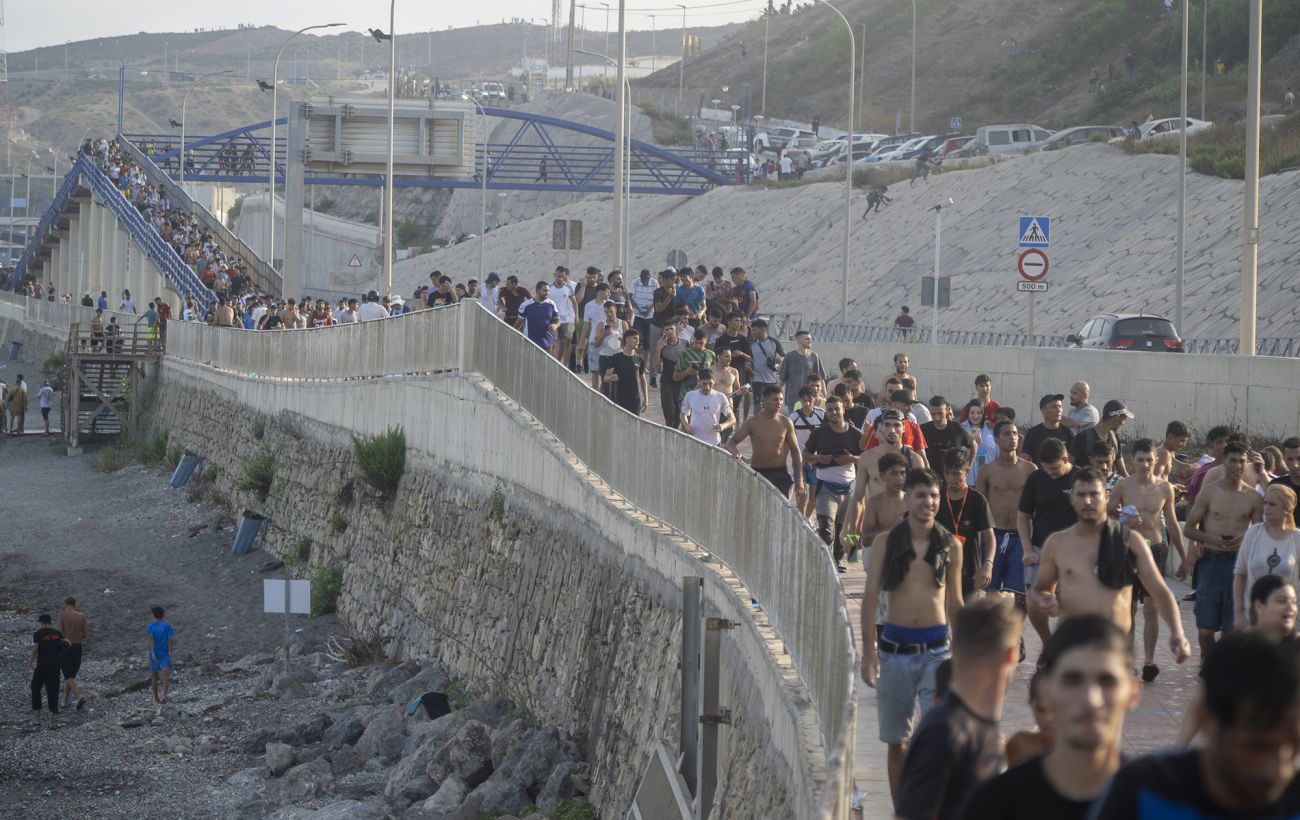
The crisis began on August 1 after tens of thousands of people attempted to cross the border from Morocco into the Spanish enclave of Ceuta. According to reports, the night before, about 49,000 people had tried to enter the enclave.
The events quickly became a hot topic of discussion on social media. Far-right accounts portrayed the situation as a deliberately organized “assault” and hinted at possible government involvement. Some posts were accompanied by Islamophobic and anti-Semitic conspiracy theories.
According to “411,” these narratives were spread in seven languages and garnered over 720,000 views in just six hours on August 1.