The United States has informed its allies of possible delays in the delivery of key types of weapons, which could last up to five years. The replenishment of U.S. ammunition stocks, undertaken in connection with the war against Iran, is leading to a reduction in available arsenals.
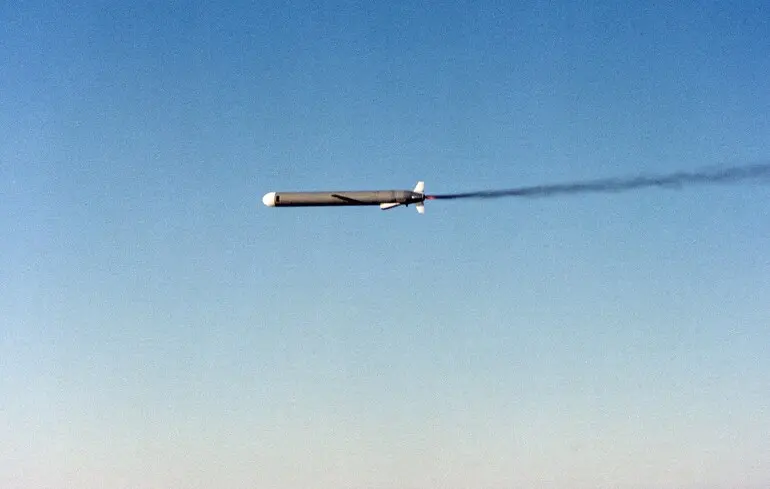
Officials in Europe have reported that several countries are expecting delays in the delivery of missile systems and air defense equipment. Germany has asked the U.S. to expedite the delivery of Tomahawk cruise missiles and Typhon ground-based launchers, but the manufacturer, Raytheon, is not expected to be able to fulfill the orders within the next five years.
Eastern European countries that rely on American weapons systems have already faced delays since the start of hostilities on February 28. It is estimated that the U.S. has used more than half of its missiles for the Patriot system, leading to a shortage of stockpiles.
The U.S. Congressional Budget Office has also indicated that a significant portion of the interceptor stockpile is likely to be depleted by June 2025. In light of this, the Pentagon has acknowledged a strategic shortfall and challenges in restocking.
In response to these challenges, defense contractors such as Lockheed Martin are working to increase production capacity. For example, the company plans to increase production of PAC-3 MSE missiles from 600 to 2,000 units per year.
Meanwhile, the U.S. continues to supply weapons that European allies have purchased for Ukraine. The issue of supplying interceptors for the Patriot air defense systems will be a central topic during upcoming UN meetings. U.S. President Donald Trump noted that he is negotiating with Ukraine regarding a license to manufacture simplified versions of Patriot interceptors.