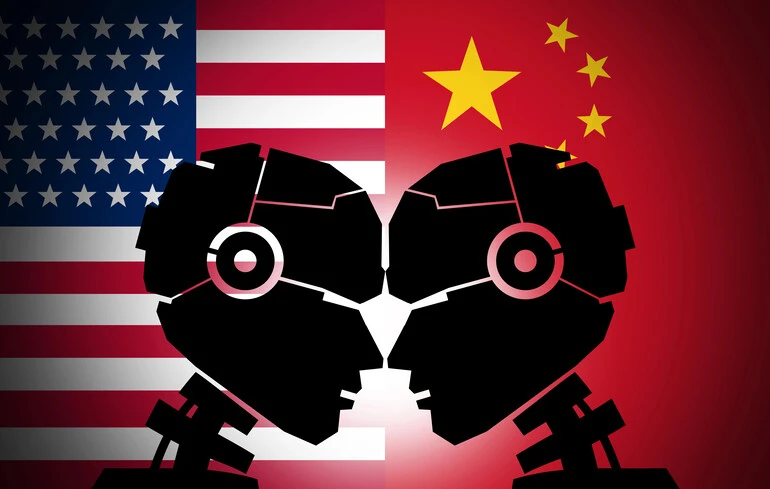
The issue of artificial intelligence (AI) safety is becoming increasingly pressing as the U.S. and China prepare to discuss safeguards at a summit in Shenzhen next month. Columnist David Ignatius notes in an article for The Washington Post that by the time serious negotiations begin, it may already be too late to prevent potentially catastrophic consequences.
The meeting—which will be the third this year between U.S. President Donald Trump and Chinese leader Xi Jinping—will address AI security issues. Russian President Vladimir Putin may also attend, but his primary focus will be resolving the conflict in Ukraine. Meanwhile, the U.S. lacks a clear security strategy in this area, despite leading the way in AI development through companies like Anthropic and OpenAI.
China, unlike the U.S., takes a disciplined approach to AI regulation, likely due to its one-party system. Xi Jinping is formulating the national strategy, while First Vice Premier Ding Xuexiang is coordinating its implementation. This month, he discussed AI issues with American experts, including former Apple CEO Tim Cook.
In the U.S., however, the debate over AI safety is far more chaotic. AI leaders such as Dario Amodei and Sam Altman are calling for a slowdown in the pace of technological development and the introduction of government oversight. Trump, on the other hand, views AI as a global championship, and Treasury Secretary Scott Bessent emphasizes the importance of winning in this field.
Trump is also considering the creation of a national self-regulatory body for AI, but his initiatives lack a clear structure so far. Experts believe that without proper oversight, technologies capable of changing the world are developing unchecked. At the same time, China realizes that it will lose the AI race if it does not take steps to strengthen its position.

