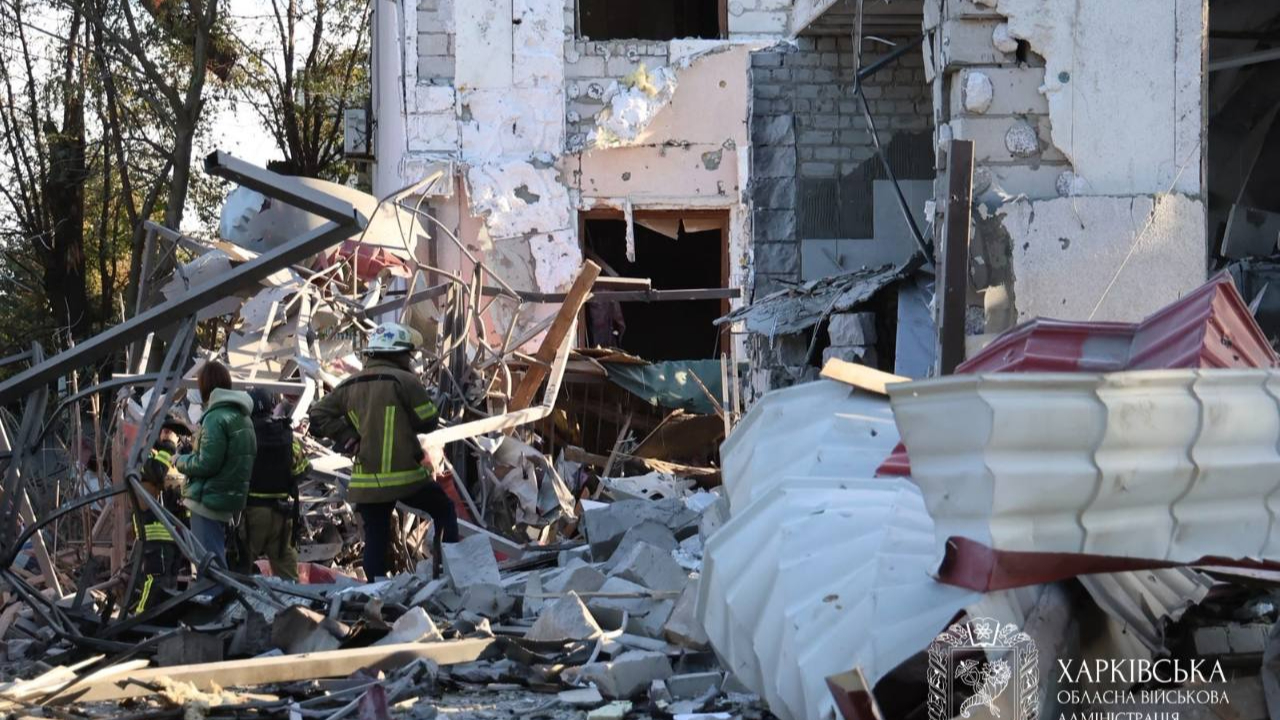
On October 2, 2026, Kharkiv was once again targeted by Russian airstrikes. The attack left 42 people injured, including three children. Two women were killed, and numerous buildings and infrastructure in the city sustained significant damage. This incident was part of an ongoing series of attacks on civilian targets in Ukraine, occurring in the context of the ongoing war with Russia. The targeting of residential areas, in particular, indicates a deliberate strategy aimed at intimidating the population and destabilizing the country.
The situation in Kharkiv reflects not only a local tragedy but also a global problem related to attacks on civilian targets in wartime. The systematic violation of international humanitarian law taking place on Ukrainian territory is causing concern not only among Ukrainians but also within the international community. Constant attacks on the civilian population are leading to a humanitarian catastrophe, undermining the foundations of society, and calling into question the effectiveness of international protection mechanisms.
The Situation in Kharkiv: Details of the Airstrike and Its Consequences
The airstrike on Kharkiv on October 2 was yet another example of the brutal war raging in Ukraine. Among the victims are not only adults but also children, underscoring the particular brutality of the attacks on civilian targets. Damage to buildings and infrastructure is leading to a rise in the number of internally displaced persons, as well as significant reconstruction costs. Local authorities and volunteers are trying to assist those affected, but the scale of the destruction exceeds the capacity of local resources.
Initial reactions to the airstrike have already emerged. The mayor of Kharkiv called for international support and condemned the aggressor’s actions. He emphasized that attacks on the civilian population constitute a crime against humanity. Such actions are causing outrage not only in Ukraine but also beyond its borders, increasing pressure on international organizations to respond to human rights violations.
Furthermore, the airstrike on Kharkiv is part of a larger pattern in which Russia is using tactics of terror to achieve its strategic goals. Constant attacks on civilian targets are intended not only to instill fear among the population but also to demoralize Ukrainian forces. This places an additional burden on the state as it strives to protect its citizens and maintain stability.
📌 Read also:
Attacks on Civilian Targets: Part of the War Strategy
Attacks on civilian targets in Ukraine have become a key component of Russia’s strategy. The targeting of residential buildings, schools, and hospitals indicates an intent to cause maximum civilian casualties and break the spirit of resistance. These actions are aimed not only at the physical destruction of infrastructure but also at exerting psychological pressure on a population living with constant fear and loss.
Military analysts note that such attacks are part of a “scorched earth” strategy, in which the enemy seeks to leave a wasteland in its wake, destroying everything in its path. This tactic, which has been used in various conflicts, aims to create conditions for controlling territory by intimidating the population. In Ukraine, this manifests itself through systematic shelling of cities, forcing people to leave their homes and seek safety in other regions.
Thus, attacks on civilian targets are not random but are part of a deliberate plan designed to break the Ukrainians’ will to fight. They create an atmosphere of hopelessness and despair, while Ukrainian defense forces strive to resist the aggression. It is important to note that such actions violate international humanitarian law, which protects the civilian population during wartime.
The growing number of attacks on civilian targets also calls into question the international community’s response. Many countries are calling for more decisive action against the aggressor, yet concrete steps are often delayed. This may be due to political interests, economic ties, and other factors that complicate a unified response to human rights violations.
Thus, attacks on civilian targets in Ukraine serve not only as a means of waging war but also as an important indicator of international policy and the response to aggression. They reflect the profound humanitarian challenges facing Ukrainian society, as well as the challenges confronting the global community in the context of modern conflicts.
International Response: How the World Is Responding to Aggression
Following the latest airstrike on Kharkiv, the international community has once again turned its attention to the situation in Ukraine. Organizations such as the UN and the European Union have expressed deep concern over attacks on civilians. A UN spokesperson emphasized that “the integrity and safety of the civilian population must be a priority during any armed conflict.” This reaffirms the commitment of international institutions to protect human rights and uphold international humanitarian law.
At the same time, the reactions of individual countries vary. For example, the United States of America underscored its support for Ukraine by announcing a new package of military aid, which includes air defense systems and humanitarian aid. The U.S. Secretary of State stressed that “no country should suffer attacks on its civilian population,” calling for decisive action by the international community against the aggressor.
However, some countries, due to their economic and political interests, continue to exercise caution in their response. They may express support in words, but their actual actions remain limited. This reflects the complexity of international relations, where economic ties often take precedence over moral obligations.
In addition, international organizations have begun discussing the possibility of imposing new sanctions against Russia. Some experts believe that sanctions could be an effective tool for putting pressure on the Kremlin, but their implementation requires unity among Western countries. The more countries that join this initiative, the greater the pressure on Russia will be.
However, despite the efforts of the international community, the situation in Ukraine remains critical. Constant attacks on civilian targets indicate a lack of an adequate response to human rights violations. International mechanisms that are supposed to protect the civilian population are proving ineffective, as the aggressor continues its campaign with impunity.
🔎 Breaking News:
Humanitarian consequences: life under wartime conditions
The humanitarian situation in Ukraine, particularly in Kharkiv, is becoming increasingly dire. As a result of constant attacks on civilian targets, the number of internally displaced persons is rising. According to international organizations, approximately 7.9 million Ukrainians have left their homes since the start of the war, seeking safer places to live. This places an enormous strain on the infrastructure of other regions that are hosting refugees.
Internally displaced persons face numerous challenges, ranging from a shortage of housing to difficulties in accessing medical care. In Kharkiv, where the infrastructure has suffered significant damage, local organizations and volunteers are trying to provide assistance to those affected, but resources are limited. The authorities are attempting to coordinate humanitarian aid, but the situation remains critical.
Attacks on medical facilities and schools not only undermine the physical infrastructure but also cause serious harm to the psychological well-being of the population. According to statistics, more than 60% of Ukrainians are experiencing symptoms of anxiety and depression due to the hostilities. Psychological support is becoming vital, but the amount available does not meet the needs.
In response to these challenges, Ukrainian authorities have stepped up efforts to protect the civilian population. Evacuation programs from the most dangerous areas are being implemented, shelters are being organized, and aid in the form of food and medicine is being provided. However, despite these efforts, the pace of attacks continues to outstrip the state’s capacity to respond.
The situation in Ukraine underscores the importance of international humanitarian aid. In addition to material support, political will is also needed to ensure the safety of the civilian population. Only through the joint efforts of the international community can the humanitarian situation in the country be improved.
Against the backdrop of these events, it is becoming clear that the war in Ukraine is not only destroying infrastructure but also deeply traumatizing society. The consequences of these attacks will be felt long after the conflict ends, as restoring mental health and social stability will require significant effort.
Thus, the ongoing attacks on civilian targets in Ukraine, particularly in Kharkiv, highlight the serious humanitarian and social challenges facing the country. They undermine the foundations of society and jeopardize the future of the next generation. In this context, it is important that the international community not only respond to acts of aggression but also actively support Ukraine’s efforts to protect its citizens and restore peace.
Thus, the situation in Ukraine is not only a matter of national security but also a global challenge that requires a coordinated international response. Attacks on civilian targets raise deeper questions about the morality of war and the international community’s responsibility to protect humanity. The true significance of these events lies in the fact that they call into question not only Ukraine’s security but also the values upon which the modern world order is based.