Facts About the Attack: Extent of the Damage and Initial Data
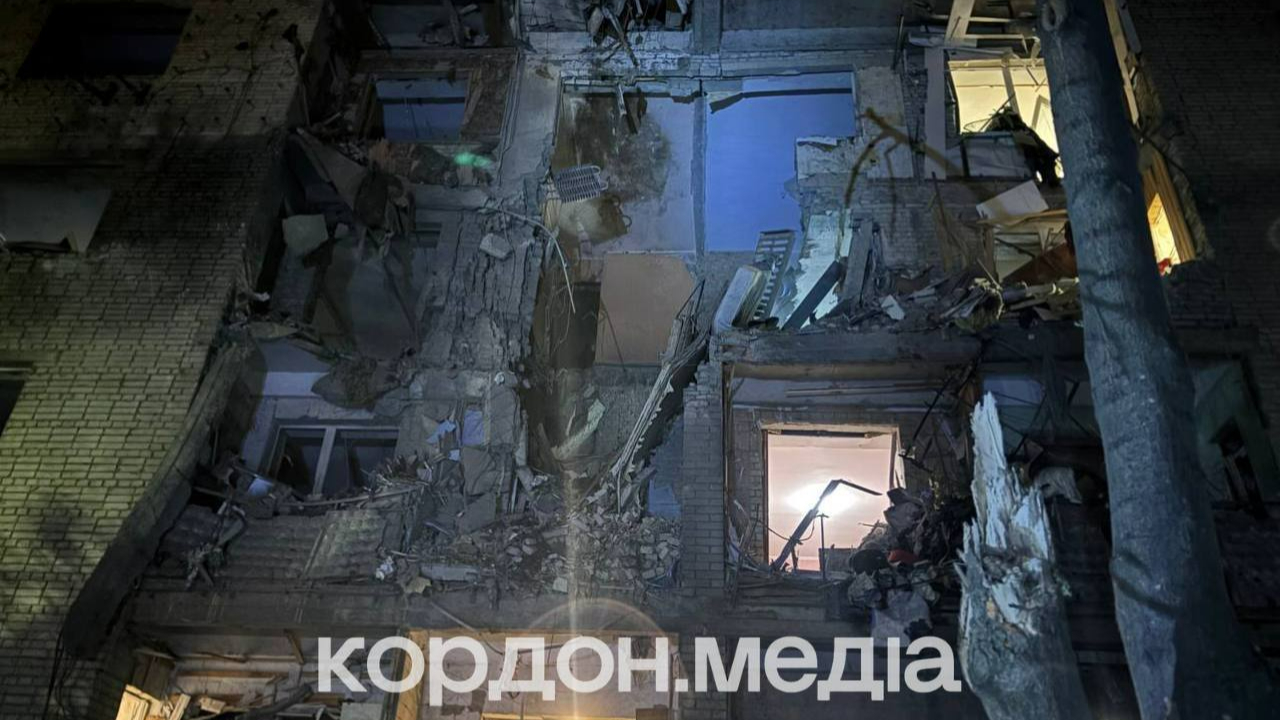
As of September 18, 2026, the attack by Russian forces on the city of Sumy has caused significant damage to the residential sector. According to preliminary data, as a result of the massive shelling that took place this morning, damage has been reported to at least 15 apartment buildings, 8 of which sustained critical damage. According to information from local authorities, people may be trapped under the rubble, complicating rescue operations.
Infrastructure facilities, including schools and hospitals, were also damaged in the attacks. Local authorities have reported casualties, but exact figures are still being determined. According to the State Emergency Service, more than 200 rescue workers are involved in the rescue efforts, operating under difficult conditions. Medical personnel are also on the scene, providing assistance to the injured.
Technical Analysis: Characteristics of Air Bombs and Tactics of Use
An analysis of the types of guided aerial bombs used by Russian forces indicates that they are employing high-tech weapons capable of destroying targets with high precision. Among the main types of weapons observed during the attack are:
- “Air-to-ground” guided bombs: such as the Kh-101, which have a range of up to 5,000 km and high strike accuracy.
- Cluster bombs: used to destroy fortifications and capable of causing significant destruction in urban areas.
- Tactical deployment patterns: Russian forces are actively employing “shock and awe” tactics aimed at maximizing the destruction of critical infrastructure.
The enemy’s technical capabilities allow it to strike specific targets with minimal margin of error, which complicates the task for Ukrainian air defense forces. It is noted that the effectiveness of Ukrainian interception systems is reduced due to the enemy’s use of the latest technologies.
📌 Read also:
Economic Impact: Cost of Damage and Consequences for the Region
Financial assessments of the damage caused by the attacks on Sumy are currently in the preliminary analysis stage. Experts estimate that total losses could exceed 300 million hryvnias, taking into account both direct and indirect damages. Among the main cost components:
- Cost of housing restoration: repairs to damaged homes could cost up to 200 million hryvnias.
- Infrastructure restoration: Repairs to schools, hospitals, and other social facilities will cost 100 million hryvnias.
- Economic losses: Business shutdowns and job losses could lead to additional costs in the region.
The humanitarian situation in Sumy is also a cause for serious concern. According to local authorities, the number of homeless people has increased by 30%, and the need for humanitarian aid has doubled. International organizations, such as the Red Cross, have already begun delivering humanitarian aid, but the needs exceed their capacity.
“The situation in Sumy is critical. We urgently need to provide people not only with food, but also with medicine and shelter,” said a UN representative in the region.
Thus, the attack on Sumy has not only caused significant material damage but has also exacerbated a humanitarian crisis that requires an urgent response from the government and international partners. At this point, it is important not only to assess the extent of the destruction but also to find effective solutions for the recovery and support of those affected.
Impact on Society: The Humanitarian Situation and Support
The situation in Sumy following the recent attack with guided bombs has triggered a humanitarian crisis that requires an urgent response. According to local authorities, the number of displaced people has increased by 30%, and the need for humanitarian aid has doubled. Not only food and water are critically important, but also medicines, hygiene supplies, and shelter for people who have lost their homes.
International organizations, such as the Red Cross, have already begun delivering humanitarian aid. However, as the organization’s regional representative notes, “needs exceed capabilities.” City and regional authorities are actively working to set up temporary shelters, but resources are limited. It is noted that restoring infrastructure and social facilities, such as schools and hospitals, will require at least 300 million hryvnias, which calls for additional financial support from the state and international partners.
International Response: Partners’ Stances and Diplomatic Actions
The international community’s reaction to the attack in Sumy was swift and decisive. Statements from the UN, NATO, and the governments of key countries confirm that the situation in Ukraine remains the focus of global attention. The UN Secretary-General stated that “such acts of aggression cannot go unpunished” and called for decisive action by the international community.
In response to the escalation of the conflict, the U.S. and European countries are discussing the possibility of imposing new sanctions against Russia. According to experts, the new restrictions could affect strategic sectors such as energy and defense. The main goal is not only to punish the aggressor but also to reduce its ability to wage war. However, there is a risk that tightening sanctions could lead to an even greater humanitarian crisis in Ukraine, as the economy is already under significant pressure.
Possible Scenarios: Next Steps and Forecasts
Scenario 1: Escalation of the Conflict
This scenario involves a further intensification of military actions by Russia. If attacks on civilian targets become routine, Ukraine may turn to its international partners for additional military resources. This could lead to an increase in civilian casualties and a worsening of the humanitarian situation. This scenario is highly likely, and its consequences could become apparent in the coming months.
Scenario 2: Diplomatic Efforts for De-escalation
In this scenario, international mediators may be actively engaged to facilitate negotiations between Ukraine and Russia. EU countries, the U.S., and other key players could act as guarantors of a ceasefire agreement. However, success will depend on both sides’ willingness to compromise. If an agreement is reached, it could lead to a reduction in military hostilities and an improvement in the humanitarian situation, but risks will remain if the parties fail to adhere to the terms of the agreement.
Scenario 3: Humanitarian Catastrophe and International Response
This scenario is the most pessimistic and assumes that the humanitarian situation in Ukraine will continue to deteriorate. If international support is insufficient, the country may face mass protests, social unrest, and further emigration. The international community may respond to such a situation by launching new humanitarian missions, but their effectiveness will be limited without political stability.
🔎 Breaking News:
A Balanced Expert Assessment
Today, Ukraine stands at a crossroads, and the situation in Sumy is a striking example of the challenges the country faces. The humanitarian crisis, which has escalated as a result of the attack, requires urgent action from both the state and international partners. However, political and military instability in the region complicates the situation. In the coming months, Ukraine must strike a balance between strengthening its defense capabilities and supporting the population, which finds itself in difficult circumstances. Only coordinated action at all levels can lead to the resolution of humanitarian problems and the stabilization of the situation in the country.